




















Sussex already has specialist dementia support and research under way. As Andy Burnham sets out plans to change care nationally, here is what families can access now and what still has to be delivered.
A dementia hub near Chichester is bringing advice, assessment and support together under one roof, offering a local example of how services can work around families as the government promises a new approach to care.
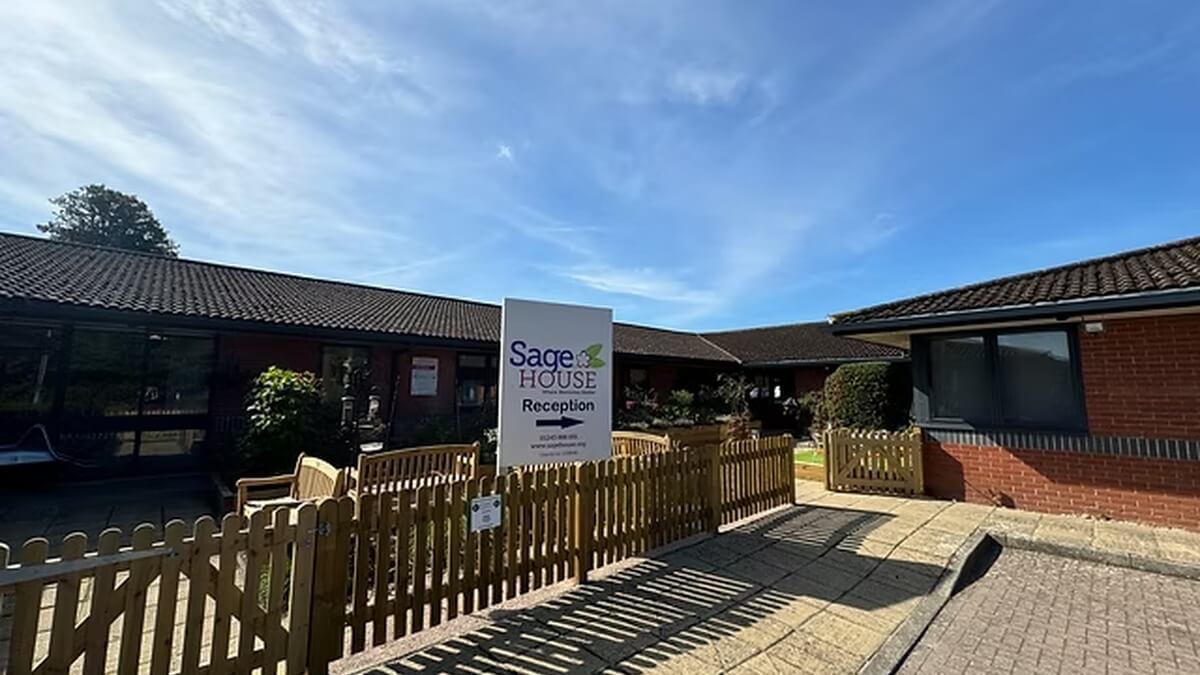
Sage House in Tangmere is among the Sussex services helping people manage life with dementia, alongside memory assessment teams, council support and research into earlier diagnosis.
Their work comes into focus following Prime Minister Andy Burnham’s announcement of a £48 million dementia research partnership. In a personal account, he described the death of his father Roy in September after living with dementia, praising his carers while arguing that the system leaves families facing an emotional and financial burden.
For people seeking help now, the immediate questions remain practical: where to get an assessment, who can support a carer and how much a family might have to pay.
At a glance
Research funding and care funding are separate
The £48 million partnership supports dementia research. The proposed National Care Service would change how personal care is funded, but has not started. Existing NHS, council and charity services remain the routes to help.
Sage House: dementia support under one roof
Run by the charity Dementia Support, Sage House provides a range of services at its Tangmere base, including practical advice, activities, support groups and respite day care.
Its free Wayfinding service helps people living with dementia and those around them understand their options and find support. The wider programme includes outreach across West Sussex. Free advice should not be confused with every service being free: families should check charges and availability for individual activities and care.
The model also brings NHS dementia assessment services into the same setting. That puts help with understanding a diagnosis alongside support for the everyday changes that follow it.
A University of Chichester evaluation reported in May 2024 found benefits for people with dementia and carers, and estimated average health and social care savings of £1,722 per person a year compared with standard care. Those findings concern the Sage House model; they should not be read as a guaranteed saving from any future national service.
Memory assessment and support across Sussex
In Brighton and Hove, the Memory Assessment Service usually receives referrals through a GP. Patients are allocated a named Memory Support Worker, and people diagnosed with dementia can receive a personalised care plan, peer support and 12 months of post-diagnostic support.
Its published information also shows the pressure on services. It reported waits of approximately five to seven months as of August 2026, down from 13 months. The service attributed delays to factors including reduced commissioned funding, inflation and increased demand. These are the service’s dated figures, rather than a new measurement of October waiting times.
In East Sussex, the countywide Dementia Support Service offers information and advice tailored to the person’s circumstances. A support plan can include a financial health check. The county council says residents can contact Adult Social Care to request a referral, while carers can seek an assessment of their own support needs.
What the new research money is for
The partnership announced on 8 October includes £33 million from the government, alongside support from Bristol Myers Squibb, GSK and Gates Ventures.
It backs the BARBARA Alliance, which brings together researchers, industry, charities and people with experience of dementia. The aim is to connect health data and clinical research, making it easier to recruit participants and test potential treatments. Dementia will also be an early priority for the Health Data Research Service.
Sussex already has research under way. In January, Sussex Partnership NHS Foundation Trust announced local involvement in SANDBOX, a study investigating earlier diagnosis through approaches including blood tests, artificial intelligence and digital assessments.
The Sussex work is based at the High Weald, Lewes and Haven Memory Assessment Service. It is an existing study with its own eligibility criteria; the announcement does not establish that it is receiving money from the new BARBARA partnership.
What would free personal care cover?
Under the plans announced on 29 September, a National Care Service would be introduced in phases in the next Parliament. Older people would receive personal care according to need, including help with eating, washing and using the toilet.
Accommodation and food costs would remain outside that entitlement, with means-tested council support continuing. The proposal therefore would not remove every care-home bill.
The government intends to fund the service through changes to pension uprating from April 2030. Annual rises would be at least inflation or 2.5%, with a mechanism to maintain the pension’s relationship to earnings over time. The current triple lock remains until then. Baroness Casey’s commission is due to make recommendations in summer 2027 on how to deliver the care reforms.
What do Sussex families pay for care now?
NHS healthcare and council-arranged social care are funded differently. A dementia diagnosis does not automatically make all the help someone needs with daily living free.
For care at home, West Sussex County Council’s current guidance says people with more than £23,250 in savings and investments pay the full cost. The value of their main or only home is excluded from that assessment. Below the threshold, income and capital are assessed to work out any contribution, so care is not automatically free.
East Sussex’s care-at-home guidance uses the same £23,250 capital threshold. Residential care has different financial assessment rules, so families should ask their council about their own circumstances before assuming their home is included or excluded.
Some people with a primary health need may qualify for NHS Continuing Healthcare, which can fund a package of health and social care. Eligibility is based on assessed needs, rather than a dementia diagnosis alone.
Where to find dementia support in Sussex
If you are concerned about changes in memory or thinking, start with a GP appointment. Support for carers and practical advice can also be sought through the services below.
| Area or service | Help available | Contact |
|---|---|---|
| Sage House, Tangmere | Free Wayfinding advice, with a wider programme of dementia support. | Dementia Support 01243 888691 |
| Brighton & Hove | Memory assessment via GP referral, followed by support according to need. | Memory Assessment Service 0300 555 0175 |
| East Sussex | Advice about dementia support and accessing Adult Social Care. | East Sussex dementia support |
| West Sussex | Adult social care assessments and advice about paying for support. | West Sussex Adult Social Care 01243 642121 |
| National advice | Information and support for people affected by dementia and their families. | NHS dementia support guide |
Brighton and Hove waiting-time figures refer to the service’s August 2026 update.
You May Also Be Interested In