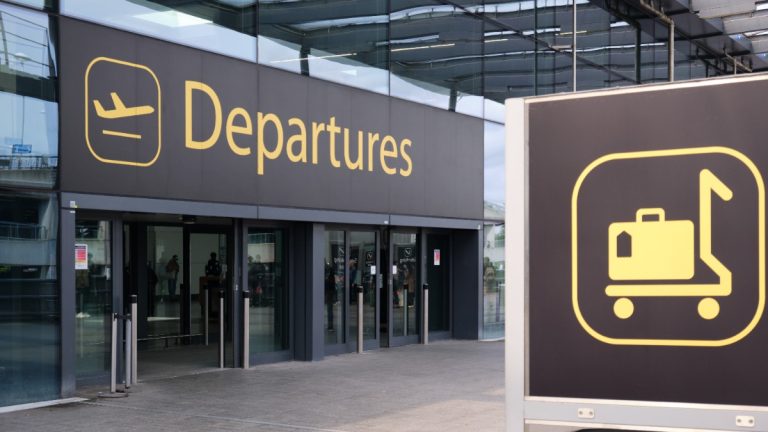






















From school uniforms and electricity bills to flights from Gatwick, the Prime Minister’s cost-of-living measures could affect everyday spending across Sussex. But several changes are still to come.
Sussex households are being promised cheaper journeys and stronger protection against unexpected charges as Andy Burnham highlights his government’s programme of “everyday fixes”.
In a Facebook post, the Prime Minister brought together measures covering school uniforms, airline fees, building work, private parking, leasehold charges and subscriptions, alongside electricity VAT and a planned £2 bus fare cap.
The post is a roundup of announcements made over several months. Some measures already apply, while others depend on legislation, regulations or further implementation. That distinction matters when checking a bill, booking a flight or challenging a parking charge.
At a glance
What has changed already?
Branded school uniform limits and the electricity VAT cut are already in force. The national £2 bus cap and new subscription rules are scheduled for January 2027. Airline, private parking and leasehold reforms have separate implementation processes. Status checked on 25 October 2026.
Electricity VAT has been removed, but the cut is temporary
VAT was removed from qualifying domestic electricity supplies on 1 October. The legislation currently covers supplies from 1 October 2026 to 31 March 2027, so this should not be described as a permanent tax cut.
According to the government’s explanation for billpayers, customers do not need to apply. The change includes fixed tariffs and prepayment customers, with individual savings depending on electricity prices and consumption.
It concerns electricity, rather than the whole of a combined gas and electricity bill. Nor does removing VAT guarantee that the total bill will fall if other charges or usage increase.
The £2 bus cap starts in January
For Sussex passengers, one of the most useful dates is 1 January 2027. The government has announced that eligible single fares on participating bus services in England outside London will be capped at £2 from then until 31 December 2027.
The ministerial statement to Parliament says the scheme will replace the existing £3 cap. It is not a promise that every bus ticket, return journey or day ticket will cost £2.
Passengers should check their operator’s current fares and, ahead of January, whether their route is included. The future cap should not be used to calculate the price of a journey being made now.
School uniform limits already apply
Schools in England have been subject to a limit on compulsory branded uniform items since September 2026. Department for Education guidance sets the limit at three items, with secondary and middle schools allowed four where one is a tie.
For families buying replacement clothing during the school year, it is worth checking the school’s published policy before ordering. Schools should also make second-hand uniforms available and explain how to obtain them.
The policy limits branded requirements; it does not set a single maximum price for an entire uniform. Parents struggling with costs can ask their headteacher what support is available.
Airline seating protections are still being developed
The proposed airline changes would stop parents or accompanying adults being charged extra simply to sit with children under 14. Passengers would also be able to correct simple name errors without an additional fee.
That could be relevant to families flying from Gatwick, but it is not yet a reason to assume a particular airline’s charges have disappeared. The Department for Transport announcement says the changes are to be delivered following Royal Assent of the Civil Aviation Bill. Its update specifically removed an implementation date that had been published in error.
Until the new requirements take effect, passengers should check their airline’s family seating and name-correction policies. Correcting a spelling mistake is also different from transferring a booking to another traveller.
Private parking: stronger appeals, rather than an end to charges
A new Private Parking Code of Practice was laid before Parliament on 20 October. It has not yet taken effect: the parliamentary statement sets out a scrutiny period, followed by commencement 21 days after the code is issued.
The code includes time to consider parking terms and a ten-minute grace period at the end of many permitted parking sessions, with exceptions including designated short-stay locations. It also provides cancellation on appeal for specified circumstances and reduced £20 charges for certain mistakes after an appeal.
These are private parking reforms, not a replacement for council parking enforcement. They do not abolish parking charges or create unrestricted free parking. Anyone receiving a notice now should follow its appeal process and deadlines rather than assume forthcoming rules automatically cancel it.
Subscriptions and misleading discounts have different timetables
The government says new subscription rules will take effect in January 2027. They are intended to give customers clearer information, renewal reminders and an easier way to leave, alongside a new cooling-off opportunity after certain renewals.
The August announcement also proposed consulting on adding misleading discount tactics to the list of automatically banned practices. Those proposals should not be confused with the subscription start date.
There is no need to wait until January to review unwanted payments. Customers can check existing cancellation terms now, keeping confirmation of any cancellation and correspondence about disputed charges.
Building work and leasehold charges: check what protection applies
On home improvements, the government’s August announcement described a supported Approved Code scheme and a payment system linked to project milestones.
Those plans should not be read as a blanket guarantee for every building contract. Homeowners should establish which scheme a trader belongs to, what protection it provides and how payments and disputes will be handled before committing to work.
For leaseholders, the government has set out plans for clearer service charge demands, better access to information and changes to the recovery of landlords’ litigation costs. Its consultation response says changes will begin during 2027, with different notice periods for different requirements.
Greater transparency may help owners understand and challenge bills, but it is not a promise that every service charge will fall immediately. The response also records concerns from landlords and managing agents about implementation costs.
A roundup with several dates to watch
Burnham’s post also links the measures to broader ambitions for water, energy, housing and a National Care Service. Those are separate policy programmes, rather than benefits households can claim through this roundup.
For Sussex readers, the practical questions are more immediate. Does a change apply yet, does it cover this purchase or journey, and is any action needed? The answers vary across the package, making the implementation dates as important as the promises.
You May Also Be Interested In