















More than £22 million of government funding has been confirmed for the next stages of work to replace ageing Victorian arches beneath Brighton’s seafront road.
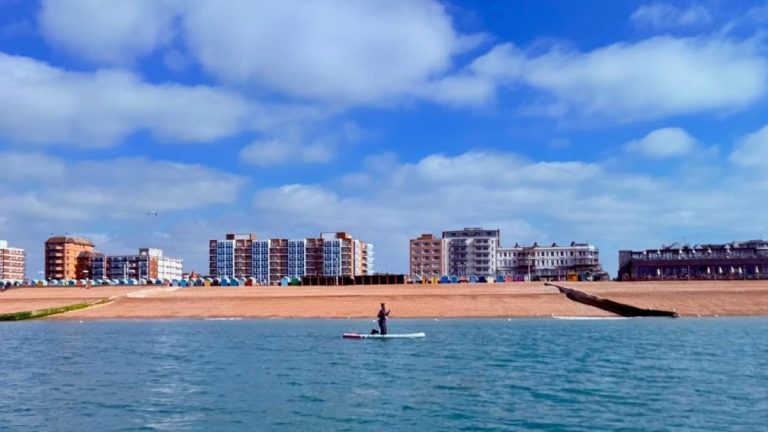
The Department for Transport has backed phases four and five of Brighton & Hove City Council’s King’s Road arches renewal programme, covering stretches between the Bandstand and i360 and west of Shelter Hall.
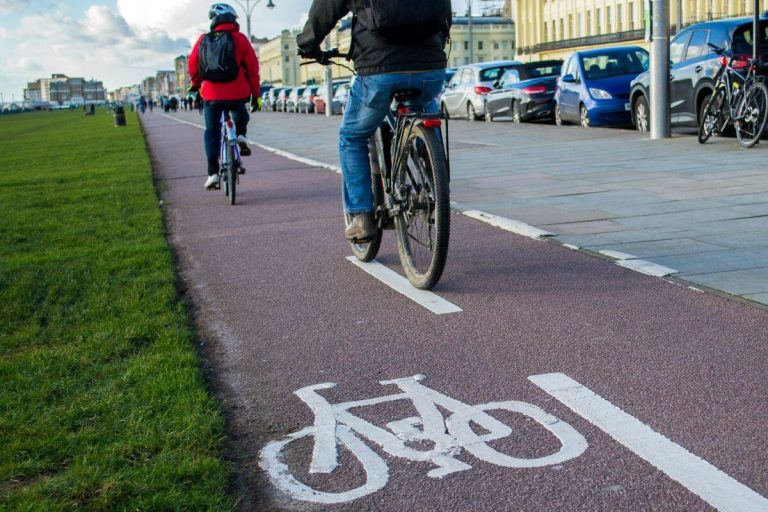
The structures support part of the A259, as well as the pavement and cycle lane above, and are considered to be in urgent need of replacement.
Government and council documents warn that failure of the arches could ultimately force part of the seafront road to close, with consequences for traffic, tourism and businesses.
| Project | King’s Road seafront arches renewal, phases 4 and 5 |
| Where | A259 King’s Road, Brighton seafront |
| Government funding | £22.24m from the Department for Transport |
| Council contribution | £3.92m from Brighton & Hove City Council |
| Phase 4 | Between the Bandstand and i360, due for completion in 2027 |
| Phase 5 | West of Shelter Hall, scheduled for completion by 2029 |
| Why it is needed | Victorian structures supporting the road, pavement and cycle lane are approaching the end of their useful life |
Why Brighton’s seafront arches need replacing
The King’s Road arches form part of the structure supporting one of Brighton’s main seafront routes.
The council’s full business case says the Victorian structures are approaching the end of their useful life and require replacement to avoid the risk of structural failure and closure of part of the A259.
The route matters not only as a highway. It links central Brighton with the beach, Brighton Palace Pier, the i360 and a long strip of seafront businesses and public space.
The Department for Transport says King’s Road carries around 22,000 vehicles and nearly 1,500 cyclists each day.
Brighton & Hove City Council has published somewhat higher counts in its own scheme material, reflecting different datasets and survey periods. The important point is that both sets of official figures identify the road as one of the city’s busiest transport corridors.
What the £22m will pay for
The latest funding covers phases four and five of a longer programme to renew the structures beneath King’s Road.
Earlier work included sections around the i360 and the rebuilding of Shelter Hall, which reopened in 2021.
The new phases will replace dozens of deteriorating arches, reconstruct sections of the supporting structure and renew associated parts of the promenade and highway.
The Department for Transport says the intention is to make the road safe for the next century while creating improved commercial spaces for cafés, bars, galleries and other businesses beneath it.
£22.24m government grant plus £3.92m from the council
The Department for Transport grant is £22,241,438. Brighton & Hove City Council is contributing £3,924,960, including £1.8m from public borrowing. In February, councillors approved a remaining capital budget of £24.85m for phases four and five, reflecting scheme costs still to be incurred rather than simply adding the two headline funding figures together.
When will the work take place?
| Phase | Location | Expected completion |
|---|---|---|
| Phase 4 | Between the Bandstand and i360 | 2027 |
| Phase 5 | West of Shelter Hall | 2029 |
The Department for Transport says phase four is due to be completed in 2027, with phase five following by 2029.
Detailed construction arrangements, temporary access restrictions and any traffic-management measures will be published by Brighton & Hove City Council as the scheme progresses.
The council has previously warned that deterioration of the structures presents a particular risk to the westbound carriageway. Its business case says the loss of that section of road could require significant diversions through central Brighton and affect businesses as well as general traffic.
What will happen to businesses and the promenade?
The work will not take place behind closed doors. The arches contain commercial premises and sit directly alongside one of Brighton’s busiest stretches of lower promenade.
Council papers say tenants in affected arches will need to vacate their premises while work is carried out, with money included in the scheme for compensation.
The public will also be unable to use the sections of lower promenade inside active construction areas, although unaffected stretches are expected to remain open.
Parts of the lower promenade will close temporarily
Businesses occupying affected arches will have to leave them for the duration of the relevant construction phase, and the public will not be able to use the promenade inside the work zone. Other sections of the lower promenade are expected to remain open.
A continuation of earlier seafront work
The latest funding does not start an entirely new project. It continues a programme that has already renewed substantial sections of Brighton’s seafront structures.
Earlier phases delivered structural repairs alongside new commercial units, public toilets and the reconstructed Shelter Hall.
Transport for the South East helped Brighton & Hove City Council develop the business case for the latest stages and has described the scheme as strategically important because the A259 forms part of the wider regional transport network.
The council has selected Knights Brown Construction Limited as the preferred contractor for both phases, subject to the necessary contractual arrangements.
Government says scheme will support Brighton’s economy
The Department for Transport has framed the investment as both an infrastructure and economic-regeneration project.
Roads and Buses Minister Simon Lightwood said the funding would protect the seafront route while supporting the businesses operating beneath and around it.
The Government says the renewed arches will provide improved space for cafés, bars and galleries, alongside the structural work needed to keep the road above safe.
That matters because King’s Road is more than a transport corridor. It runs through one of Brighton’s most heavily visited areas and links the city centre with the beach, pier, attractions and hospitality businesses along the seafront.
Council contribution and overall project cost
The Department for Transport grant totals £22,241,438.
Brighton & Hove City Council is contributing £3,924,960, with council papers stating that £1.8m will come from public borrowing.
In February 2026, the council approved a capital budget of £24.85m for the remaining phases four and five programme.
The council’s full business case contains a broader scheme estimate of around £26.17m when costs already incurred, risk allowances and other project expenditure are included.
Those figures describe different parts of the same funding structure, which is why the overall project estimate is higher than the capital budget approved for remaining expenditure.
What is happening to the King’s Road paddling pool?
Phase four affects the area around the King’s Road paddling pool and playground.
The council has approved a feasibility study into the future of the wet and dry play areas once construction is complete.
Its February report says the feasibility study will be followed by consultation and work with the local community before any final decision is made about the future use of the site.
Importantly, the arches construction does not depend on a final decision about the paddling pool. The structural work can proceed while the council develops separate proposals for the leisure area.
Further funding for Brighton and Hove’s roads
The arches investment sits alongside separate road-maintenance funding for the city.
The Department for Transport says more than £26m has been set aside over four years to help Brighton & Hove City Council tackle potholes and improve road conditions.
That money is separate from the funding committed to the King’s Road arches.
Why the project matters
The arches are part of Brighton’s historic seafront, but their importance is practical as well as architectural.
They support one of the city’s principal east-west roads, along with pavement and cycling infrastructure, while the spaces beneath provide homes for businesses and form part of the lower promenade.
A serious structural failure could therefore affect motorists, cyclists, pedestrians, businesses and access to the seafront at the same time.
The challenge is to replace ageing Victorian infrastructure without losing the commercial and public uses that have grown around it.
If the programme remains on schedule, phase four should be completed in 2027 and phase five by 2029, securing this part of the A259 for decades to come.
Frequently asked questions
How much government funding has Brighton received for the seafront arches?
The Department for Transport has confirmed £22.24m for phases four and five of the King’s Road arches renewal programme.
Is Brighton & Hove City Council also paying towards the work?
Yes. The council is contributing £3.92m, including £1.8m funded through public borrowing.
Which part of Brighton seafront is affected?
Phase four covers the stretch between the Bandstand and i360. Phase five covers the area west of Shelter Hall.
Why do the arches need replacing?
The council says the Victorian structures are approaching the end of their useful life and need replacement to reduce the risk of structural failure and road closure.
What do the arches support?
They support parts of the A259 King’s Road, along with pavement and cycling infrastructure above, while commercial premises occupy parts of the lower promenade beneath them.
When will the project finish?
Phase four is expected to be completed in 2027 and phase five by 2029.
How busy is King’s Road?
The Department for Transport says the road carries around 22,000 vehicles and nearly 1,500 cyclists each day. The council has published higher counts in some of its own project material, reflecting different datasets and survey periods.
Will businesses have to close during the work?
Businesses occupying arches directly affected by construction will have to vacate those units temporarily. Council papers say funding has been included for tenant compensation.
Will the lower promenade remain open?
Not entirely. The public will be unable to enter designated construction areas, but unaffected sections of the lower promenade are expected to remain open.
What will happen to the paddling pool?
The council is carrying out a feasibility study into the future of the King’s Road paddling pool and play areas. Consultation is expected before final proposals are brought forward.
Where has the government money come from?
The Department for Transport says the investment was made available through the 2025 Spending Review.
You May Also Be Interested In