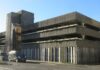
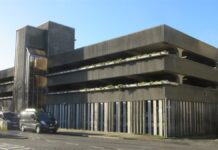





















Wates Residential has been named as the development partner for the proposed £23 million redevelopment of the Clair Hall site in Haywards Heath.
The company will work with Mid Sussex District Council and Digital Picture House on a scheme combining a cultural venue with housing. Its appointment moves the project forward, but does not give permission to build.
In its 23 October announcement, the council said residents and existing users would be able to help shape proposals in the first half of 2027, before a planning application. Construction could start in 2028 and finish by autumn 2029, subject to approval and agreements.
What would replace Clair Hall?
The council’s project information describes four cinema auditoriums, including a 133-seat main space with a stage, plus a community studio and café and restaurant. The wider proposal includes 39 low-rise homes and a landscaped connection between Perrymount Road and Clair Park.
Digital Picture House, which operates cinemas in Uckfield and East Grinstead, would run the council-owned venue. The operator has committed to more than 150 hours of live cultural activity each year. Film screenings would therefore be part of a broader programme rather than the only use of the building.
Why the size of the new venue matters
The proposal would bring cultural use back to a site that closed during the pandemic in March 2020. Theatres Trust records a 360-seat capacity for the former Clair Hall and says no comparable local replacement has been identified. The proposed main auditorium has 133 seats. The council’s separate figure of up to 330 people relates to the combined auditoriums and community spaces, not one theatre audience.
The Trust has worked with the council on provision for live events, including specialist theatre-design advice, but says the hall will remain on its Theatres at Risk Register during those discussions. Its account highlights community support for restoring cultural use. That makes the new venue’s ability to accommodate existing groups an important test alongside its cinema offer.
The operator’s commitment to more than 150 live-cultural hours a year is a minimum programme commitment, not a published weekly theatre timetable. Averaged over a year, 150 hours is about three hours a week; the actual programme could be concentrated into particular periods. Hire rates, community access and the eventual mix of performances will determine what residents can use.
What would the council pay?
Wates would contribute £3.4 million towards the cultural venue. The council has set aside provision for up to £1.5 million from reserves, with funding dependent on conditions including satisfactory planning permission and completion by an agreed date.
The council would retain the freehold and receive commercial rent. Its engagement hub puts the proposed cultural facility at £4.9 million: the £23 million headline relates to the wider redevelopment, rather than a £23 million council payment for a cinema.
How the decision was reached
The published Cabinet decision of 12 October 2026 approved the preferred developer and provision for the council’s contribution. This followed the earlier process to select a cultural operator. The development appointment and a planning decision are separate stages.
The proposed 39 homes help form the wider redevelopment, but a final housing mix and detailed site design should be judged through the planning submission rather than assumed from the headline number. The council’s engagement hub is the place to follow those documents and the consultation programme.
What happens next?
Detailed designs and the planning process remain ahead. The council forecasts that the venue could support up to 60 jobs, including five full-time posts; these are projections, not existing vacancies. Residents can follow the engagement hub for opportunities to comment as the scheme develops.